Notes of Confidence
Music Therapy Program Receives Grant to Expand Reach
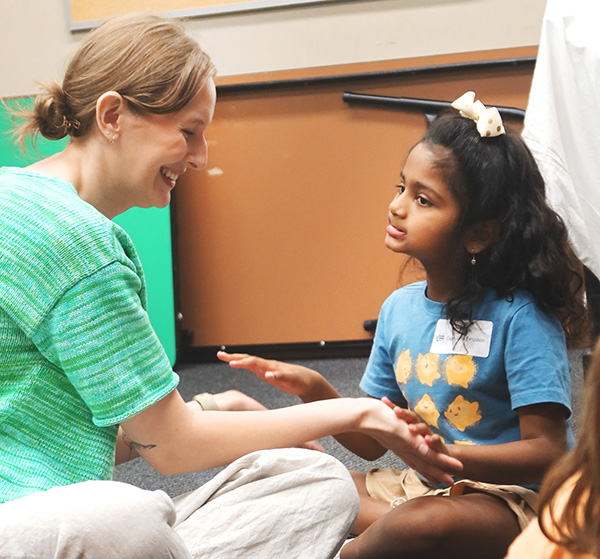 Music has the ability to bring people together, spark emotions and forge memories. At the Flint School of Performing Arts (FSPA), music is also helping area students build confidence and overcome obstacles through its music therapy program serving area schools.
The burgeoning music therapy program recently received a grant from the City of Flint made possible by the city’s American Rescue Plan Act (ARPA) funding. The FSPA grant totals $189,000 and is intended to expand the music therapy program’s reach and increase awareness of its benefits in the community. The program served 1401 K-12 students from September 2025 to April 2026.
Music therapy is the clinical use of music to address non-musical goals, which can include things like communication, language development, emotional regulation, memory, attention and social skills, explained Janelle Ballard, music therapy department chair.
“What makes it so powerful is that music is inherently engaging and accessible. For many individuals, especially those who may struggle in more traditional therapeutic settings, music creates a natural and motivating way to connect, express themselves and make progress toward meaningful goals,” said Ballard.
In the vast sea of therapy options, why choose music therapy? Ballard said that music can help bypass some of the barriers that make communication or participation difficult, especially for students who are nonverbal or have challenges with attention and behavior.
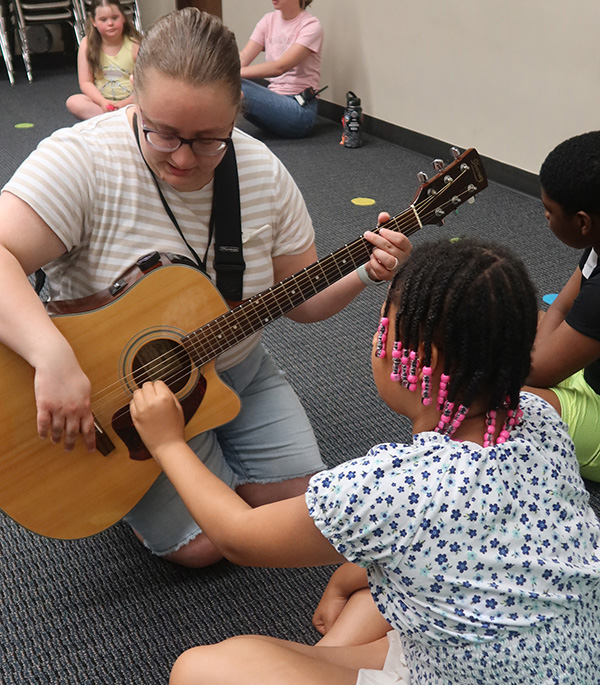 Music therapy also provides a shared, creative experience — not unlike the way a live concert or theatre audience enjoys a communal, one-of-a-kind experience.
“Students don’t feel like they’re being ‘worked on’ — they are actively participating in something meaningful and enjoyable, and therapeutic goals are embedded naturally within that process,” she said.
Although the grant will help grow the program and increase awareness, Ballard says there is still a significant need. “Our goal is for music therapy to become a consistent and integrated part of how schools support student growth. We want students to not only make measurable progress toward their goals, but also to experience a sense of connection, confidence and success,” she said.
Ballard hopes to continue expanding the program, with the long-term goal of having music therapy recognized as an essential support (rather than something extra).
“We see every day how impactful music therapy can be, and our hope is to continue building partnerships so that more students in our community have access to it.”