FSO Celebrates the Spirit of American Music
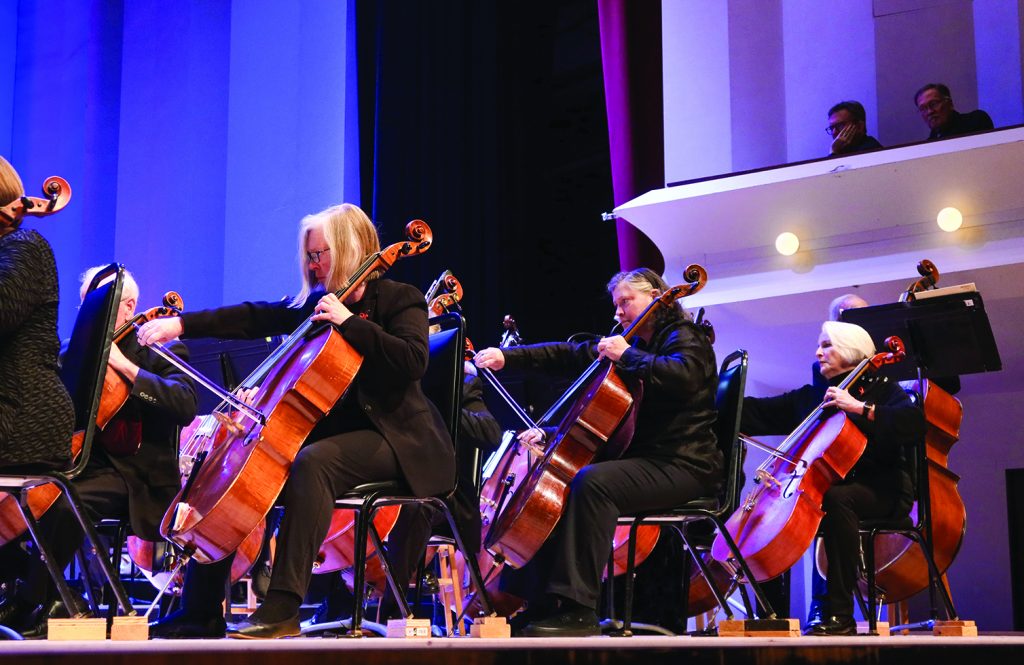
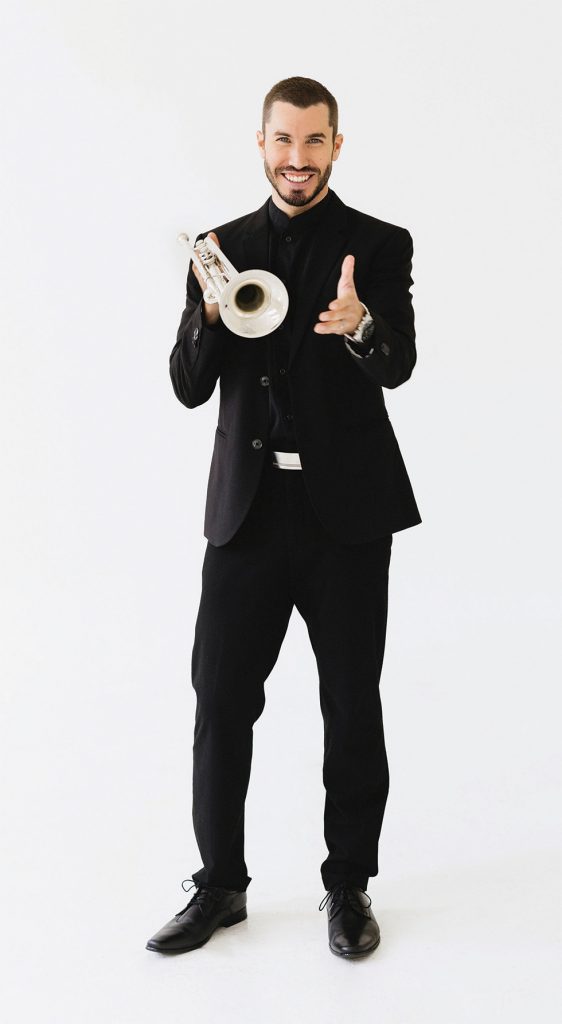 The American classical sound evokes feelings and moments in time from across U.S. history. For some, it’s the majestic sounds of the American west; for others, it’s the patriotic melody of a lone trumpet accompanied by a snare drum. The Flint Symphony Orchestra will explore these musical frontiers on Feb. 21 at 7:30 pm, featuring trumpet soloist George Goad.
Aaron Copland is often one of first composers people think of when considering American classical music. His open chords, slowly changing harmonies and use of folk songs have come to define the sound of the wide-open American west, cowboys and the pioneer spirit.
Many of Copland’s works are also accessible in that they have a programmatic or narrative element to help guide the listener. Billy the Kid, which the FSO will perform on this program, is a 1938 ballet following the infamous outlaw of its namesake and one of Copland’s most popular works.
“While much of Copland’s music features transparent, beautiful, delicate scorings, it can color all aspects of the spectrum. He can help us envision a rodeo, a lone cowboy riding off into the sunset or the ruckus of a hoedown,” said Michelle Tschirhart, manager of FSO operations.
William Grant Still’s Afro-American Symphony was composed in 1930 — a similar era to the Copland, but conjuring an entirely different depiction of the American sound. Still was the first African-American composer to have his music performed by a major symphony, the Rochester Philharmonic. Still combined a symphonic form with blues progressions and rhythms that were popular in Black music at the time, seeking to portray an African American who was rooted in their past and not yet completely transformed by their present.
United States symphonic repertoire came into its own in the 20th century, making most well-known American orchestral music contemporary by nature because it is relatively young compared to its counterparts around the world. This gives musicians the unique opportunity to explore music by living composers.
FSO Guest Artist George Goad, a trumpet soloist and second trumpet with the St. Louis Symphony, explained that modern repertoire brings new challenges: the traditional solo repertoire was written for a more primitive version of the instrument, and the contemporary trumpet has more capability which composers incorporate into their music.
Eric Ewazen’s Trumpet Concerto, written in 1990, is reflective, colorful and textural.
“I think the concerto fits with other composers on the program through having accessible melodies and comforting harmonies. It leaves the listener with more of an atmosphere than being impressed by technical artistry,” said Goad.
“I am not out there to prove myself by overcoming a beast of a piece, but guide the listener through elaborate fabrics,” he said.
The program’s addition of John Williams’ “With Malice Toward None” from Lincoln brings listeners to the 21st century (2012) and conjures a sense of American patriotism. Williams is among the most well-known composers of our time, creating film soundtracks for dozens of beloved movies.
Tschirhart explained that Williams is skilled at finding the characteristic sound and feeling that a film needs and giving it musical life.
The “American Frontiers” program will take listeners on a journey through the numerous expressions of the American musical identity highlighting how each composer captured the spirit of their time while expanding our concept of what American music can be.